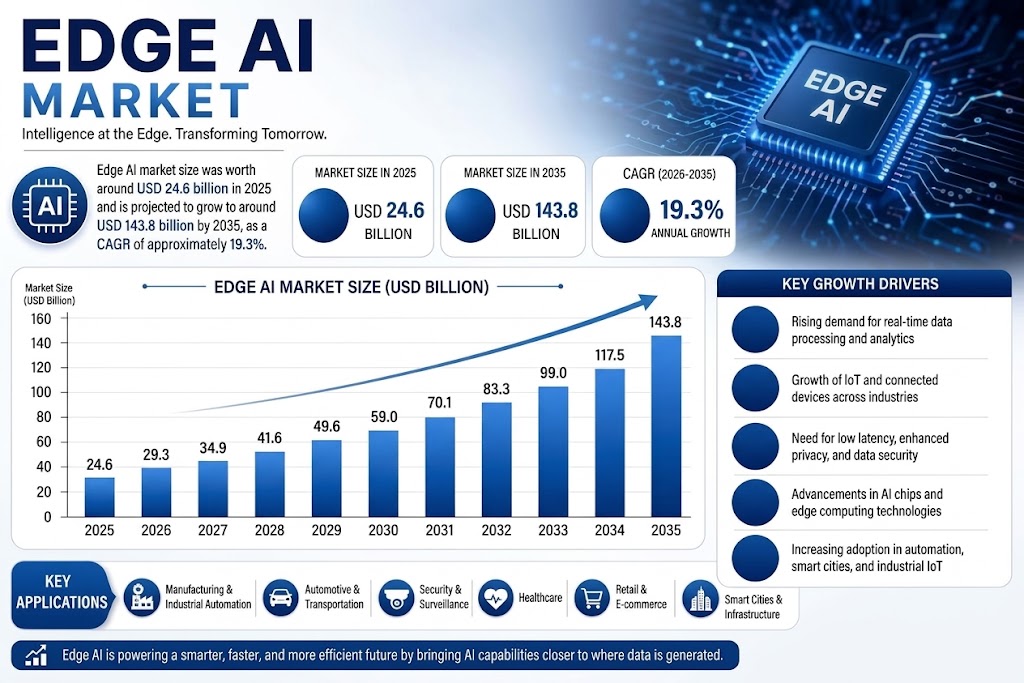
The technology landscape is undergoing a rapid transition toward autonomous agentic workflows on device silicon acceleration and resilient infrastructure. Global tech updates demonstrate a decisive movement away from static cloud services toward intelligent edge devices capable of localized processing and real-
time decision making. As organizations scale their digital footprints the convergence of machine learning specialized micro architectures and zero trust cybersecurity frameworks defines the modern benchmark for operational efficiency and data integrity.
Strategic Shift Toward Enterprise Agent Orchestration and Hybrid Edge Infrastructure
Artificial intelligence is undergoing a foundational paradigm shift evolving from responsive conversational assistants into proactive semi autonomous software engines capable of orchestrating multi step operational workflows. Modern enterprise environments now demand computational systems that analyze contextual variables execute deterministic decision trees and maintain real time synchronization with distributed data platforms without relying exclusively on high latency cloud data centers.
Architecting Hybrid Execution Frameworks Across Local and Cloud Nodes
- Dynamic Load Partitioning: Enterprise architectures utilize real time load balancing protocols that dynamically divide neural network operations between local neural processing units (NPUs) and high density cloud data centers based on execution speed thermal constraints and data protection policies.
- Autonomous Engineering Platforms: Software engineering environments including advanced iterations of Anthropic Claude Code OpenAI Codex and deeply embedded GitHub Copilot frameworks have expanded beyond single line code completion to manage continuous integration automated unit test generation cross language refactoring and static vulnerability remediation.
- Zero Trust Agent Governance and Sandboxing: To prevent unauthorized actions across enterprise systems system architects deploy isolated runtime environments transactional state rollbacks and explicit permission scopes around autonomous agentic operations.
High Density Inference Accelerators and Unified Knowledge Structures
- Custom Enterprise Inference Silicon: Data center operators are accelerating the rollout of domain specific inference accelerators such as custom cloud chips and Nvidia Blackwell server architectures designed specifically to maximize throughput per watt during long context neural processing tasks.
- Unified Semantic Layers and Graph Indexing: Disjointed corporate relational databases and unstructured document stores are unified through semantic abstraction layers and enterprise knowledge graphs enabling autonomous agents to query business intelligence with exact contextual awareness.
- Localized Edge Processing Optimization: Deploying quantized micro models directly on edge hardware allows organizations to achieve near zero latency for mission critical applications including automated industrial machinery telemetry continuous sensor monitoring and instantaneous voice translation.
Breakthroughs in Mobile Hardware Engineering, Display Physics and On Device Security
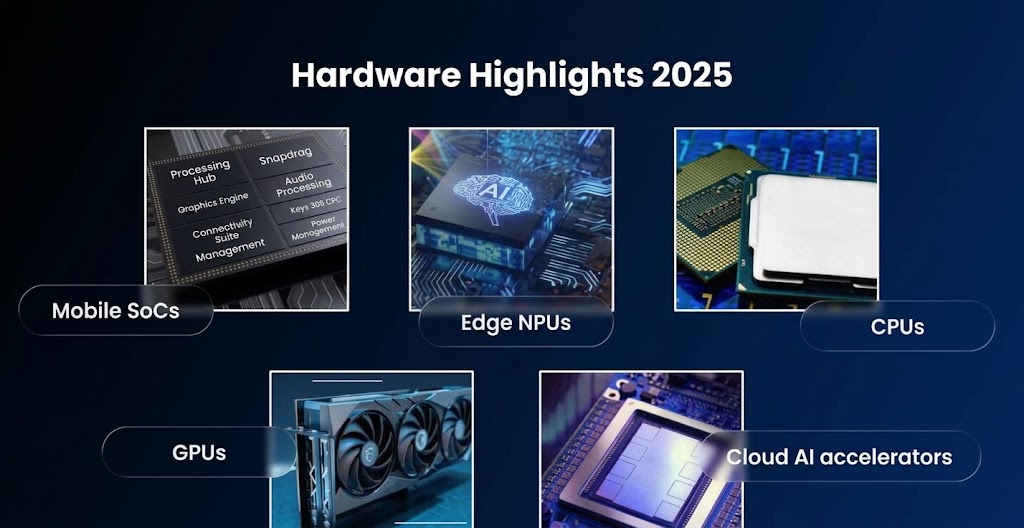
Mobile hardware development is experiencing a major resurgence driven by breakthroughs in dynamic display physics structural material science and hardware isolated privacy controls across flagship foldable and accessible device tiers.
Hardware Enforced Display Privacy and Advanced Thermal Management
- Directional Light Manipulation and Privacy Displays: Next generation flagship mobile platforms exemplified by emerging series like the Samsung Galaxy S26 Ultra integrate hardware level privacy display technology that uses directional micro prisms to restrict side angle viewability without compromising direct visual clarity for the primary user.
- Ergonomic Chassis Redesigns: Modern device architectures are moving toward contoured form factors constructed from lightweight titanium alloys and coupled with multi layered vapor chamber assemblies to enhance heat dissipation during prolonged compute intensive tasks.
- Dedicated On Device Micro NPUs: System on Chip (SoC) designs allocate dedicated die area to micro NPUs allowing real time computational photography pipelines continuous background speech recognition, and localized memory privacy protection to run completely offline.
Structural Engineering Milestones in Foldable and Accessible Mobile Devices
- Hinge Longevity and Fluid Display Mechanics: Multi screen device categories spanning models such as the Google Pixel Pro Fold series benefit from liquid metal hinge mechanics ultra thin flexible glass layers and robust IP rated ingress protection against environmental dust and liquid exposure.
- Democratization of On Device Intelligence: High tier AI capabilities are rapidly filtering down to accessible price tiers. Devices such as the Google Pixel 10a leverage power efficient tailored chipsets to bring computational photography live call screening and ambient system intelligence to lower price points.
- High Efficiency Variable Display Panels: Advanced OLED panels employ dynamic refresh scaling down to ultra low power thresholds pairing tandem organic emitter layers with smart power management to extend battery endurance during ambient display states.
Digital Provenance Standards Cryptographic Authentication and Next Gen Cyber Defense
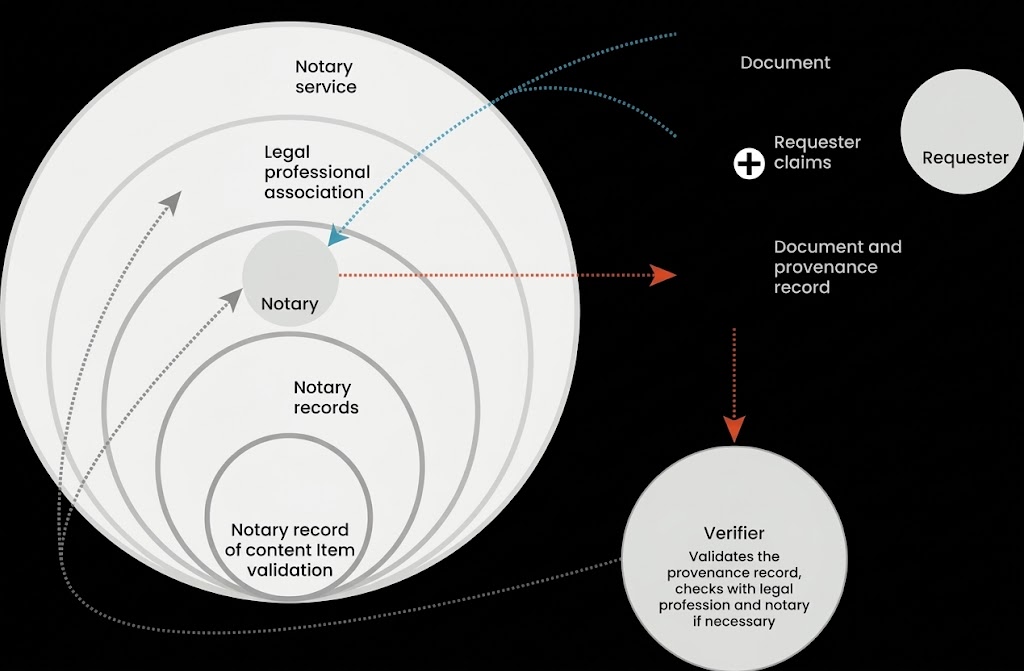
With synthetic media and distributed network threats expanding rapidly technology providers and regulatory bodies are prioritizing digital provenance standards zero trust security updates, and resilient threat mitigation protocols to preserve digital trust.
Cryptographic Watermarking Protocols and Synthetic Media Detection
- Universal Content Provenance Frameworks: Content publishers broad scale digital networks and online streaming services are broadly standardizing on Coalition for Content Provenance and Authenticity (C2PA) framework specifications alongside invisible watermarking algorithms like Google SynthID.
- Real Time Verification Engines: Streaming music services and news broadcasting platforms utilize real time spectral analysis and audio fingerprinting tools to detect AI generated voice clones track digital asset origin and protect creator intellectual property.
- Camera Sensor Cryptographic Signing: Hardware level image capturing systems are being introduced to sign raw photos and video frames at the moment of exposure with immutable cryptographic signatures establishing verifiable digital proof of capture.
Zero Trust System Architectures and Sustainable Grid Integration
- Passkey Infrastructure and Identity Credentials: Enterprise security paradigms are shifting away from legacy passwords and multi factor SMS codes toward hardware bound cryptographic passkeys biometric authentication and decentralized identity credentials.
- Aggressive Vulnerability Patching Cadences: Operating system vendors continue to enforce strict patching cycles resolving critical zero day vulnerabilities across underlying system kernels runtime environments and distributed cloud services before supply chain vectors can be exploited.
- Everything to Grid (E2G) Energy Orchestration: Enterprise infrastructure and smart urban environments are increasingly adopting Everything to Grid (E2G) software standards enabling distributed energy storage systems corporate battery arrays and smart power grids to dynamically balance loads and feed surplus power back into regional electricity networks.