Date: November 5, 2026
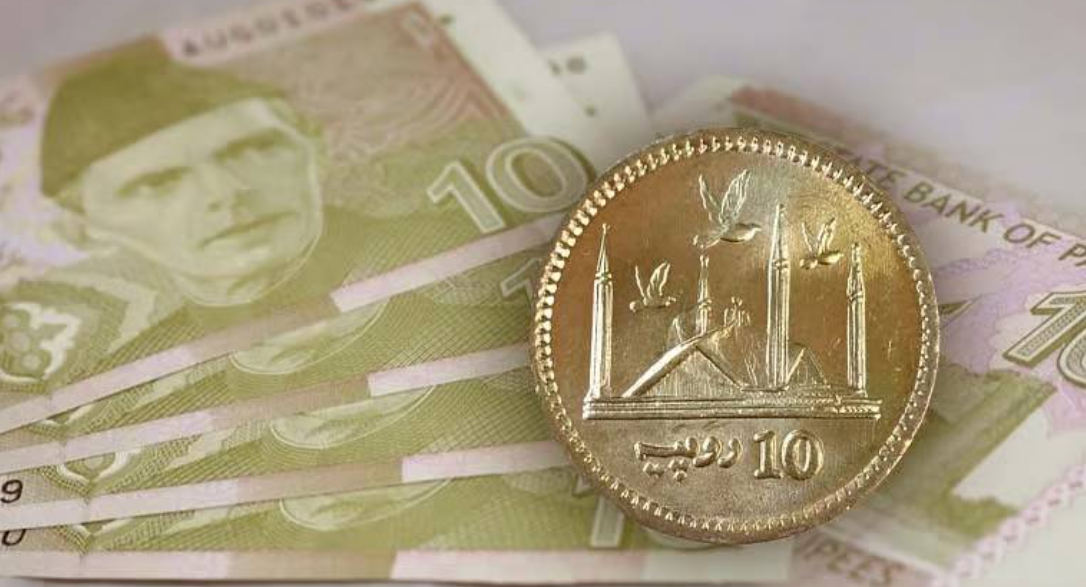
Pakistan’s federal cabinet has approved designs for a new series of New Currency Notes, alongside the introduction of a Rs10 coin to replace the existing paper note of the same value. The decision was taken during a cabinet meeting chaired by Prime Minister Shehbaz Sharif in Islamabad on November 4. The government says the redesigned notes will include stronger security features to help prevent counterfeiting and use modern materials to improve durability. The move marks an important step in updating Pakistan’s currency, although the authorities have not yet announced when the new notes or Rs10 coin will enter circulation.
For millions of people who use cash every day, the decision raises practical questions: what will change, when will the new notes arrive, and will existing currency remain usable? The key point is that cabinet approval of the designs is not the same as an immediate change in circulation. Further details and an implementation schedule will be needed from the State Bank of Pakistan.
Federal Cabinet Approves New Currency Designs
The federal cabinet approved the proposed designs for a new series of Pakistani banknotes during its meeting on November 4. Prime Minister Shehbaz Sharif chaired the meeting, where officials received a briefing about the proposed currency changes and the process followed to prepare the designs.
According to the Prime Minister’s Office, the decision was taken on the recommendation of the Ministry of Finance. The cabinet was informed that suggestions had been invited from artists and designers across Pakistan. A committee established by the prime minister also consulted relevant stakeholders before presenting its recommendations.
The approval is an important stage in the government’s plan to modernise the country’s paper currency. The proposed New Currency Notes are expected to include improved security features and modern materials intended to make them more durable.
The government has presented the changes as part of efforts to prevent counterfeiting and improve the quality of currency in circulation.
However, the cabinet’s decision does not mean that the redesigned notes are already available to the public. The production and introduction process will require further steps, including arrangements by the State Bank of Pakistan.
What the Government Has Announced
The official announcement confirms two major decisions:
- Approval of designs for a new series of Pakistani currency notes.
- Approval of a Rs10 coin to replace the existing Rs10 banknote.
The government also explained that the new notes would include enhanced security features and modern materials to increase their lifespan.
Although the cabinet approved the designs, the announcement did not provide a complete public description of every proposed note. It also did not confirm a date for the start of circulation.
This distinction is important because approval, printing and public distribution are separate stages of a currency replacement programme.
Why the Decision Matters
Currency is one of the most widely used parts of a country’s financial system. It is used for everyday shopping, transport, household purchases, business transactions and payments in markets where digital banking is not always available.
Any major change to banknotes can therefore affect millions of people.
The proposed New Currency Notes are intended to improve security and durability, while the Rs10 coin decision represents a change in the country’s low-value cash system.
For consumers, shopkeepers, banks and businesses, the success of the transition will depend on clear information and a properly managed introduction process.
Why Pakistan Is Introducing New Currency Notes
One of the main reasons behind the redesign is the need to strengthen protection against counterfeit currency.
Counterfeiting is a challenge for countries around the world. Fake banknotes can undermine public confidence, create financial losses for individuals and businesses, and complicate the work of banks and law enforcement agencies.
A modern banknote needs to be designed in a way that makes it difficult to reproduce illegally while allowing ordinary people and financial institutions to identify genuine currency.
The government has said that the proposed New Currency Notes will contain enhanced security features to help prevent counterfeiting.
Stronger Protection Against Fake Currency
Counterfeit notes can create problems for people who receive them without knowing they are fake.
A shopkeeper may accept a counterfeit note during a busy transaction and discover the problem later. A customer may also lose money after unknowingly receiving a fake banknote as change.
Financial institutions must maintain procedures to identify suspicious currency and handle it according to relevant regulations.
Improved banknote security can help reduce these risks.
Modern currency designs commonly use several security elements that are difficult to reproduce using ordinary printing equipment. These may include specialised printing techniques, features visible under particular lighting conditions and elements that can be checked by touch or sight.
The exact security features planned for Pakistan’s redesigned notes have not yet been fully disclosed in the cabinet announcement.
It would therefore be premature to claim that particular features have already been confirmed.
Making Banknotes More Durable
The government has also said that modern materials will be used to improve the durability and lifespan of the new notes.
Paper currency experiences significant wear during everyday use.
Banknotes are folded, handled, stored in wallets, passed between customers and businesses, and sometimes exposed to moisture or dirt.
Over time, this handling can damage the material and make notes difficult to recognise or use.
A more durable banknote can remain suitable for circulation for longer, potentially reducing the frequency with which worn-out notes need to be replaced.
This is particularly relevant for frequently used denominations.
The government’s announcement suggests that durability is an important part of the new currency programme, alongside protection against counterfeiting.
Modernising Pakistan’s Cash System
The redesign also offers an opportunity to update the appearance and technical standards of Pakistani currency.
A currency series is not only a means of payment. It can also reflect a country’s history, identity, institutions and development.
By inviting proposals from artists and designers across the country, the government has involved creative professionals in the design process.
The final designs will need to balance visual presentation, practical usability and security requirements.
The introduction of New Currency Notes could therefore represent both a technical update and a visual change in the money used across Pakistan.

Rs10 Banknote to Be Replaced by a Coin
One of the most noticeable decisions is the approval of a Rs10 coin in place of the existing Rs10 paper note.
The Rs10 denomination is used in everyday transactions, including small purchases, local transport and other low-value payments.
Replacing a paper note with a coin may appear to be a small change, but it can affect how people handle cash.
The government has not announced a specific date for the replacement or explained the complete transition arrangements.
For now, the decision should be understood as approval of the proposed change rather than an immediate withdrawal of the existing note.
Why Replace a Low-Value Banknote With a Coin?
One reason governments consider replacing low-value banknotes with coins is durability.
Paper notes can become worn out through frequent handling. Coins are generally made from more durable materials and can remain in circulation for a longer period.
If a low-value denomination is used frequently, replacing damaged notes can create recurring production and distribution costs.
A coin may reduce the frequency of replacement, although its production, transportation and handling also involve costs.
The overall financial benefit depends on the price of materials, manufacturing arrangements, expected lifespan and how often the denomination is used.
Pakistan’s decision to introduce a Rs10 coin reflects a move towards changing the format of this denomination.
What Will Happen to Existing Rs10 Notes?
The most important question for ordinary citizens is whether existing Rs10 notes will immediately become invalid.
The November 4 cabinet announcement did not specify an immediate withdrawal date or a deadline for exchanging the existing notes.
The approval of a coin does not, by itself, mean that people must stop using their paper Rs10 notes immediately.
The public should wait for formal instructions from the State Bank of Pakistan about the introduction schedule and any future withdrawal arrangements.
Until an official notification explains the transition, people should not rely on unverified social media messages claiming that existing notes have suddenly lost their value.
Will Rs10 Coins Become More Common?
Pakistan already has experience with coins of the Rs10 denomination, but the use of coins in everyday transactions depends on public acceptance and availability.
For a coin to become widely used, businesses and consumers need to receive it regularly through normal transactions.
Banks, retailers, transport operators and other cash-based businesses also need sufficient supplies.
If people do not receive coins frequently, they may continue to prefer paper notes or use other payment methods.
The success of the change will therefore depend not only on the government’s decision but also on the way the new coins are distributed and accepted.
How the New Currency Notes Will Be Prepared
The approval of the designs is an important stage, but a new currency series requires more than choosing its appearance.
The proposed banknotes will need to move through production planning, security preparation, quality checks and distribution arrangements.
The State Bank of Pakistan plays a central role in managing currency issuance and circulation.
Role of the State Bank of Pakistan
The State Bank of Pakistan is responsible for important functions involving the country’s currency and monetary system.
Its responsibilities include issuing banknotes and managing the supply of currency in the economy.
After the government approves the proposed designs, the central bank will have an important role in the practical arrangements for introducing the new series.
These arrangements may include preparing production requirements, coordinating with relevant institutions and communicating the circulation schedule.
The public will need clear guidance about the new notes, their security features and how they will enter everyday transactions.
The cabinet announcement did not provide a final date for these arrangements.
Printing and Quality Control
Producing secure banknotes requires specialised printing processes and strict quality control.
The notes must meet technical standards so that their security elements, material quality and visual details remain consistent.
Quality checks are important because banknotes need to withstand regular handling and remain suitable for use by cash-processing machines.
Banks and financial institutions also need to recognise and process the new notes correctly.
A carefully managed production process can help reduce problems when the new currency enters circulation.
Distribution Across Pakistan
Once the notes are ready, they must be distributed through the banking system.
Pakistan has a large population spread across major cities, smaller towns and rural areas.
A successful currency transition needs to reach all these communities.
Banks, ATMs, cash centres and commercial businesses may require information and arrangements to handle the redesigned notes.
The introduction process should also ensure that smaller towns and rural communities are not left behind.
A gradual and organised distribution process can help people become familiar with the new designs without creating unnecessary confusion.
What Could Change in the New Banknote Designs?
The government has confirmed that new designs have been approved, but it has not publicly provided a complete description of every visual element.
The design process involved inviting suggestions from artists and designers across Pakistan.
A committee established by the prime minister also consulted relevant stakeholders before finalising the proposals.
This suggests that the government considered different views during the preparation process.
National Identity and Cultural Representation
Currency often reflects a country’s identity.
Banknotes around the world commonly feature national leaders, historical landmarks, cultural symbols, natural landscapes and important achievements.
These elements can help communicate a country’s heritage and identity.
Pakistan’s new series may provide an opportunity to present its cultural and historical diversity through updated designs.
However, the cabinet announcement did not confirm which specific personalities, buildings, landmarks or symbols will appear on the notes.
The final appearance should be judged only after official designs are released.
Better Readability and Recognition
A banknote needs to be easy to identify.
Its denomination should be clear, and its visual elements should help people distinguish it from other notes.
This is particularly important for people who handle cash quickly, including shopkeepers, transport workers and customers.
The design must also consider people with visual impairments and others who may find it difficult to identify notes using colour alone.
Modern banknote design can combine different visual and physical characteristics to improve recognition.
The government has not yet published detailed information about these aspects of the Pakistani series.
Balancing Design With Security
A banknote must look attractive while remaining difficult to counterfeit.
Designers and technical specialists therefore need to work together.
A visually impressive note is not sufficient if it lacks reliable security protection.
Similarly, advanced security features must be integrated in a way that does not make the currency unnecessarily difficult for the public to use.
The proposed New Currency Notes will need to balance these requirements.
The government’s announcement identifies security and durability as central priorities.
Will Existing Pakistani Banknotes Become Invalid?
This is likely to be one of the biggest concerns for people following the announcement.
Whenever a country introduces a new currency series, rumours can spread about the status of existing notes.
Some people may worry that their savings will become worthless or that they will have to exchange their money immediately.
However, approval of new designs does not automatically invalidate the banknotes currently in circulation.
The government has not announced an immediate withdrawal of all existing currency.
No Immediate Exchange Deadline Announced
The November 4 announcement confirmed approval of the new designs and the Rs10 coin.
It did not provide a deadline requiring citizens to exchange their existing banknotes.
It also did not announce a date on which all older designs would stop being legal tender.
The public should therefore avoid treating the cabinet decision as an immediate currency withdrawal order.
Any formal change to the legal status of existing notes would require clear communication from the relevant authorities.
Why a Gradual Transition Is Important
A country cannot change its entire cash supply overnight without creating practical difficulties.
People need time to become familiar with the new designs.
Banks and businesses need to prepare their systems, while cash distribution arrangements must reach different regions.
A gradual transition can allow new notes to enter circulation while older notes continue to be handled under the announced rules.
This approach can reduce confusion and help maintain public confidence.
The exact arrangements for Pakistan’s new series have not yet been announced.
How Citizens Should Avoid Currency Rumours
People should rely on official announcements rather than forwarded messages or unverified social media posts.
The introduction of a new currency series can attract misleading claims about exchange deadlines, invalid notes and special procedures.
Citizens should check information through the State Bank of Pakistan, the Finance Ministry and other relevant government channels.
They should not pay unofficial agents or individuals who claim they can exchange old notes ahead of an official schedule.
The safest approach is to wait for formal instructions.
How the New Currency Notes Could Affect Banks and Businesses
The introduction of redesigned banknotes will involve more than changing the appearance of money.
Banks and businesses will need to recognise, process and distribute the new currency.
This is particularly important because cash remains widely used in Pakistan.
Although digital payments are becoming more common, many transactions still take place through physical currency.
Banks Will Need Updated Procedures
Banks play an important role in introducing new notes to the public.
They receive currency, distribute cash to customers and process deposits.
When a new series enters circulation, bank employees need to understand its design and security features.
Cash-handling equipment may also need appropriate updates to recognise the redesigned notes.
The transition requires coordination between the central bank and financial institutions.
The government’s announcement has not yet provided a detailed banking implementation schedule.
Retailers and Shopkeepers
Small retailers, grocery shops, markets and transport businesses handle large amounts of cash.
They need to identify genuine notes and distinguish between different denominations.
When redesigned notes are introduced, shopkeepers may initially need time to become familiar with their appearance and security features.
Clear public information can help businesses avoid confusion.
The availability of new notes in sufficient quantities will also matter.
If the transition is properly managed, retailers should gradually become accustomed to the redesigned currency.
ATMs and Cash Machines
Automated teller machines are another important part of the currency distribution system.
Banks may need to adjust their cash-handling processes before ATMs can distribute redesigned notes.
The timing will depend on the central bank’s arrangements and the technical requirements of individual banks.
Not every ATM will necessarily begin distributing new notes on the same day.
The public should follow announcements from banks and the State Bank of Pakistan for information about availability.
Could the New Currency Series Reduce Counterfeiting?
The government’s stated objective of improving security is one of the most important aspects of the decision.
Counterfeit currency can damage trust in cash transactions and create financial losses.
Stronger banknote security can make illegal reproduction more difficult, but no security system can eliminate every risk.
Why Security Features Matter
Banknotes use security elements to help the public and financial institutions recognise genuine currency.
These features can be designed for different levels of checking.
Some can be identified by ordinary people through visual inspection or touch, while others may require specialised equipment.
The purpose is to make it harder for counterfeiters to produce convincing copies.
Pakistan’s proposed New Currency Notes are expected to include enhanced security measures.
The government has not yet disclosed the full list of features.
Public Awareness Will Be Essential
Even well-designed banknotes require public awareness.
People need to know how to identify genuine currency and what to do if they suspect that a note is fake.
The State Bank and commercial banks can help by providing educational material and demonstrations.
Retailers and cash-handling businesses may also benefit from clear guidance.
Public education can make security improvements more effective because people are better prepared to recognise suspicious notes.
Counterfeiting Cannot Be Addressed Through Design Alone
Improved banknote security is only one part of preventing counterfeit currency.
Law enforcement, financial monitoring, public awareness and cooperation between institutions also play important roles.
Authorities need to investigate the production and circulation of fake notes.
Businesses and individuals should also report suspicious currency through appropriate channels.
A stronger currency design can support these efforts, but it cannot replace wider enforcement and education.
Why the Rs10 Coin Decision Could Affect Everyday Payments
The replacement of a low-value banknote with a coin may have practical consequences for people who regularly make small cash payments.
The Rs10 denomination is relevant to everyday purchases and transactions.
A coin is generally more durable than a paper note, but people may need time to adjust to carrying and using it.
Convenience for Consumers
Some people may find coins convenient because they can last longer and are less likely to tear or become damaged.
Others may prefer banknotes because they are lighter and easier to store in wallets.
The success of the change will depend on whether coins are readily available and widely accepted.
Consumers may also need to become familiar with receiving coins as change.
Impact on Small Businesses
Small businesses regularly handle low-value payments.
The introduction of a Rs10 coin could change the way retailers organise cash drawers and provide change to customers.
Businesses may need to keep an adequate supply of coins.
If coins are not distributed consistently, retailers could face difficulties giving exact change.
This makes the distribution process an important part of the transition.
Public Acceptance Will Take Time
Currency habits do not change instantly.
People often continue using familiar forms of money even after new alternatives are introduced.
The government and banking system will need to ensure that the new coins are easy to obtain and use.
Public acceptance will depend on convenience, availability and confidence in the new system.
What Citizens Should Know Right Now
The cabinet’s announcement has created interest because it involves money used by almost everyone in Pakistan.
However, citizens do not need to assume that they must immediately replace their existing notes.
The most useful information currently available is straightforward.
- The federal cabinet has approved designs for a new series of banknotes.
- The new notes are expected to have enhanced security features.
- Modern materials are planned to improve durability.
- A Rs10 coin has been approved to replace the existing Rs10 banknote.
- The government has not announced a confirmed circulation date.
- No immediate deadline for exchanging all existing notes was included in the cabinet announcement.
These points help separate the confirmed decisions from speculation about the implementation process.
Where to Find Official Updates
The State Bank of Pakistan is the key institution to follow for information about currency issuance and circulation.
The Ministry of Finance and the Prime Minister’s Office may also publish updates about government decisions.
Citizens should look for formal announcements covering the introduction date, security features, distribution arrangements and any future withdrawal schedule.
This is especially important when misleading messages circulate online.
People should not make financial decisions based solely on unofficial claims.
What Happens Next?
The next stage of the currency programme will involve moving from approved designs towards practical implementation.
The authorities will need to establish the production and distribution arrangements and communicate the details to banks and the public.
Final Preparation of the New Notes
The approved designs will need to be translated into production-ready banknotes.
This involves technical work to ensure that the notes meet the required standards for printing, security and durability.
The production process must also maintain consistency so that notes of the same denomination have uniform characteristics.
Announcement of the Introduction Schedule
A clear schedule will help citizens and businesses prepare for the new series.
The authorities will need to explain when the notes are expected to enter circulation and how they will be distributed.
If existing notes are to be withdrawn gradually, the public will also need clear information about the applicable rules and deadlines.
No final schedule has been announced in the cabinet statement.
Distribution Through the Banking System
Once the notes are ready, banks will play a major role in distributing them.
The transition will need to reach major cities as well as smaller towns and rural areas.
Public awareness will be important to ensure that people recognise the new notes and understand their security features.
The Rs10 coin will also need a distribution arrangement that allows consumers and retailers to use it regularly.
Conclusion: A Major Step Towards Modernising Pakistan’s Currency
The federal cabinet’s approval of New Currency Notes and a Rs10 coin represents an important development in Pakistan’s cash system.
The redesigned banknotes are intended to provide stronger protection against counterfeiting and improved durability through modern materials. The Rs10 coin decision introduces a separate change to the way a frequently used low-value denomination will be issued.
For ordinary citizens, the most important issue is the implementation schedule. The cabinet has approved the designs, but the government has not yet announced when the new notes or coin will enter circulation.
Existing banknotes should not be considered invalid simply because new designs have received approval. Citizens should wait for formal instructions from the State Bank of Pakistan before making decisions about exchanging or withdrawing their money.
The success of the programme will depend on secure production, reliable distribution, clear communication and public awareness.
If implemented effectively, the New Currency Notes could improve the security and durability of Pakistan’s banknotes while supporting a gradual modernisation of the country’s cash system.
Source: Dawn – Defence Pact With Kuwait Ratified and New Currency Designs Approved | Business Recorder – Rs10 Coin to Be Introduced as Cabinet Clears New Banknote Designs | Aaj English – Federal Cabinet Approves New Currency Note Designs and Rs10 Coin | Dunya News – Federal Cabinet Approves New Currency Note Designs
NewsFlayer — Stay Informed with the Latest News of Pakistan and the World.